Uncover the Ultimate Fishing Charters: How They Work and What to Expect
Charter fishing trips offer a distinctive way to experience the thrill of angling, accommodating both newcomers and seasoned fishermen. These adventures come in multiple formats, each offering distinct opportunities to catch multiple species. Understanding the intricacies of fishing charters can improve the experience. However, potential participants need to consider several factors before beginning on this aquatic voyage. What insights will assist in selecting the best charter for an unforgettable experience?
What Do Fishing Charters Offer and Who Are They Designed For?
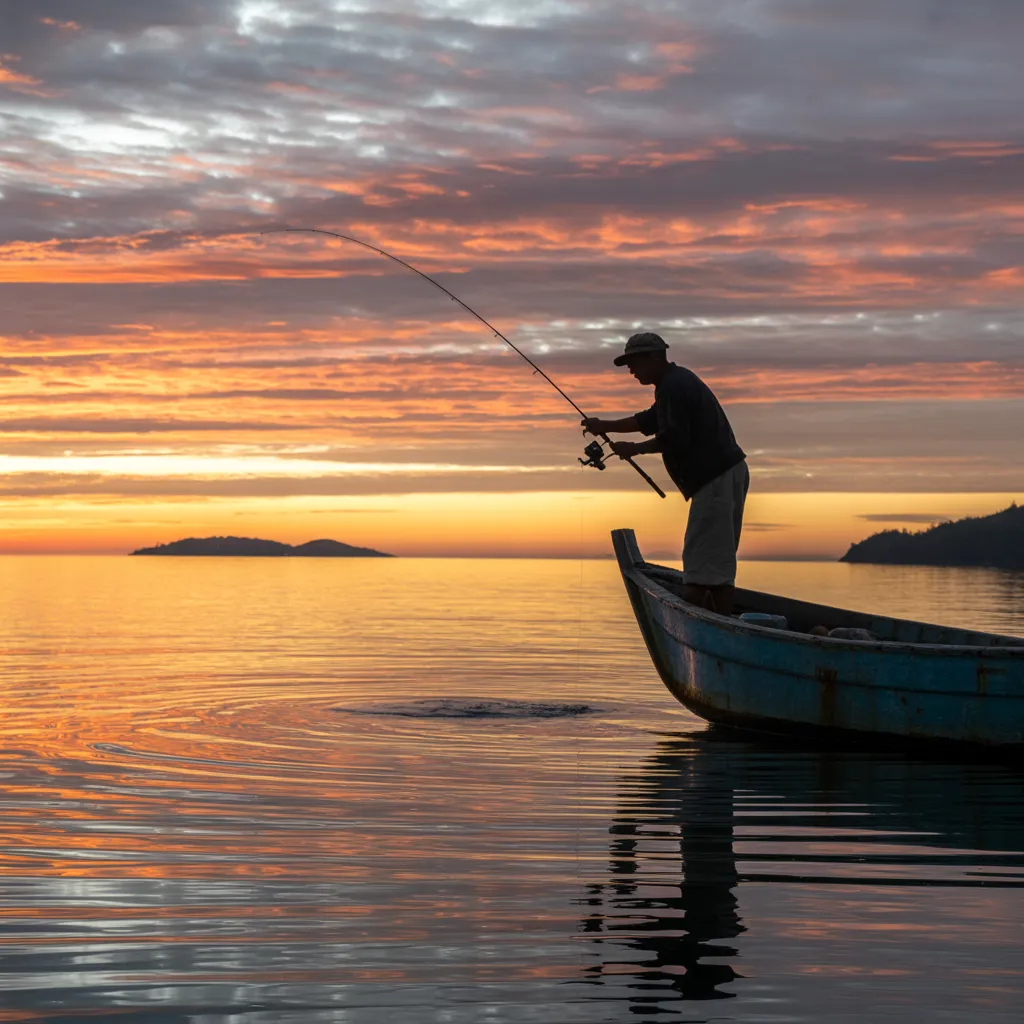
Fishing charters are specialized services that provide individuals or groups the chance to engage in fishing activities, typically guided by seasoned professionals. These services serve a range of skill levels, from newcomers seeking an introduction to fishing to seasoned anglers looking to develop their skills or explore specific fishing areas.
Usually, fishing charters provide diverse packages, which may encompass morning or afternoon and full-day trips, equipment provision, and local knowledge of the best fishing grounds. Guests can choose between inshore, offshore, or specialty fishing trips, in line with their goals and the type of fish they want to catch.
Such offerings are designed for families, corporate groups, and fishing enthusiasts, presenting a fun and educational experience while fostering bonding and teamwork. Via fishing charters, participants can take in the beauty of nature while involved in a recreational activity that promotes relaxation and adventure.
What Types of Fishing Charters Work Best?
When looking at the best types of fishing charters, two primary options stand out: inshore fishing charters and deep sea fishing trips. Inshore charters typically cater to those seeking a more accessible experience, often targeting species closer to the shore. In contrast, deep sea trips present the thrill of fishing in open waters, where larger and more diverse fish can be found.
When looking at the most popular types of fishing charters, two primary options stand out: inshore fishing charters and deep sea fishing trips. Inshore charters generally cater to those desiring a more accessible experience, often targeting species closer to the shore. On the other hand, deep sea trips deliver the thrill of fishing in open waters, where larger and more diverse fish can be found.
When evaluating the most popular types of fishing charters, two main options stand out: inshore fishing charters and deep sea fishing trips. Inshore charters typically accommodate those seeking a more manageable experience, often targeting species closer to the shore. On the other hand, deep sea trips deliver the experience of fishing in open waters, where bigger and more varied fish can be found.
Inshore Fishing Charters
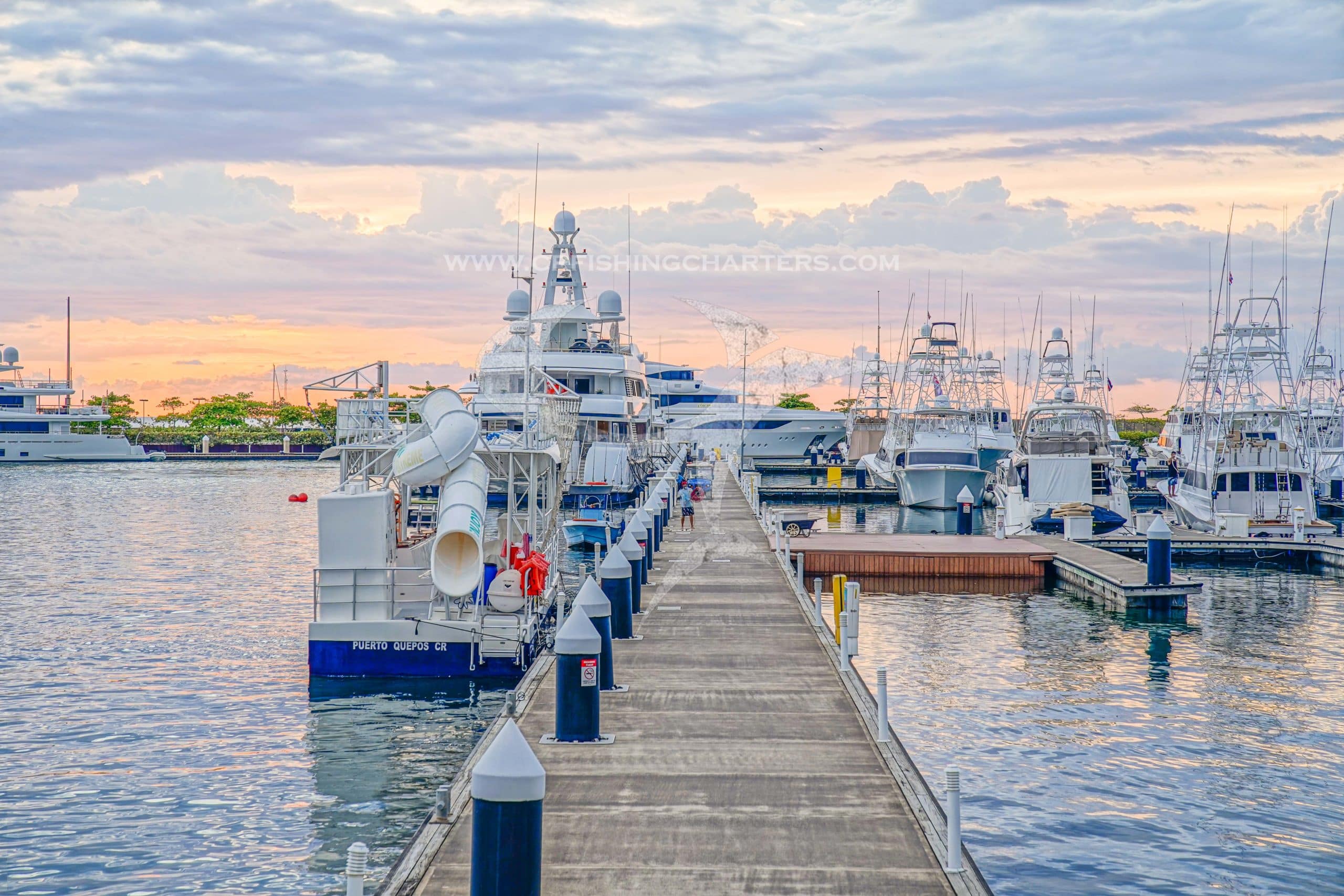
Inshore fishing charters offer an accessible way for anglers to engage with varied marine life while experiencing the peaceful waters near the shore. These charters generally target species such as redfish, snook, and flounder, making them perfect for both novice and experienced fishermen. The trips frequently take place in bays, estuaries, and near coastal reefs, offering a unique opportunity to explore different habitats. Inshore charters are typically shorter in duration, allowing anglers to return to the dock within a few hours. Many operators provide all required equipment, including rods, reels, and bait, streamlining the process for participants. All in all, inshore fishing charters represent an outstanding option for those looking to try fishing without venturing far from land.
Saltwater Fishing Trips
For fishermen looking for a more thrilling adventure, deep sea fishing trips offer an opportunity to venture far beyond the shoreline. These charters generally operate in deeper waters, targeting larger species such as tuna, marlin, and shark. Experienced captains and crew guarantee that participants are well-equipped for the challenges of the open sea. Charters can vary in duration, ranging from half-day excursions to multi-day adventures, accommodating different skill levels and preferences. Amenities often include fishing gear, bait, and sometimes even meals, enhancing the overall experience. Furthermore, deep sea fishing trips often offer spectacular views and the chance to encounter marine wildlife, making them a memorable choice for fishing enthusiasts. Each trip delivers excitement and the potential for a trophy catch.
What to Anticipate in Charter Pricing?
When considering fishing charters, understanding the costs involved is essential. Numerous factors impact charter prices, including the category of boat, duration of the trip, and the number of passengers. A typical cost breakdown can assist potential customers prepare effectively for their fishing adventure.
Variables That Affect Charter Pricing
Though multiple factors can affect the cost of fishing charters, comprehending these elements is crucial for potential anglers organizing their trips. Geographic location plays a considerable role, as charters in sought-after fishing destinations typically command increased prices. The type of fishing experience available, whether inshore or offshore, also influences costs, with offshore trips generally being more expensive due to longer travel times and increased fuel expenses. Charter size and capacity influence pricing; larger vessels accommodating more passengers often result in higher fees. Seasonal demand can additionally impact costs, with peak seasons generating higher prices. Moreover, the inclusion of amenities such as gear rental, food, and beverages can increase the complete expense of the charter experience.
Typical Cost Overview
Understanding the common cost breakdown of fishing charters is essential for anglers organizing their trips. Charter costs generally divide into several categories: the base fee, which often varies by the type of fishing and the size of the vessel; fuel costs, which can change based on distance traveled; and supplementary expenses such as bait, tackle, and licenses. Most charters also include gratuities for the crew, typically ranging from 15% to 20% of the total cost. Seasonal demand can further influence pricing, with peak times often demanding higher rates. Finally, anglers should consider any optional add-ons, such as catering or special equipment rentals, which can substantially impact the overall cost of the fishing experience.
Critical Tools for Your Fishing Charter
A successful fishing charter demands meticulous preparation, and having the right gear is vital for enhancing the experience. Anglers should begin with a premium fishing rod and reel ideal for the type of fish they plan to catch. Knot-tying tools and tackle boxes packed with assorted lures, hooks, and weights are also essential for flexibility during the trip.
Appropriate clothing, including sun protection and waterproof gear, guarantees comfort, while polarized sunglasses aid in reduce glare and enhancing visibility in the water. Moreover, a cooler for preserving caught fish and refreshments is important for an enjoyable day on the water.
Lastly, individual items including a fishing license and a first-aid kit should not be overlooked. By assembling this essential gear, fishermen can improve their fishing charter experience and boost their chances of a fruitful catch.
Safety Guidelines for a Secure Fishing Adventure
What steps can anglers take to ensure their safety during a fishing charter? First and foremost, they should opt for a reputable charter company with experienced crews and well-maintained vessels. It is essential for anglers to learn about the boat's safety equipment, including life jackets, first aid kits, and fire extinguishers. Prior to leaving, they should participate in a safety briefing, understanding emergency procedures and the layout of the boat.
Additionally, anglers should be conscious of weather conditions, as harsh seas can create significant risks. Wearing appropriate clothing and using sunscreen can help protect against the elements. Keeping hydrated and consuming light meals can also contribute to general well-being during the trip.
Finally, maintaining transparent communication with the crew is crucial; they are discover here trained to handle emergencies and can deliver assistance as necessary. By following these recommendations, anglers can secure a safer and more rewarding fishing experience.
Enhance Your Catch: Proven Approaches and Techniques
After ensuring safety during a fishing charter, optimizing the catch becomes the next priority for anglers. Effective techniques include selecting the right bait, which should mimic the natural prey of the target species. Anglers should also consider the time of day; early mornings and late afternoons frequently deliver better results. Understanding local fishing regulations and seasonal patterns increases the chances of success, as fish behavior can change significantly throughout the year.
Making use of multiple fishing techniques, like trolling, bottom fishing, or fly fishing, can be helpful in relation to the conditions. In addition, keeping patience and persistence is important; fish may not bite instantly. Communication with the charter crew can give valuable insights, as experienced captains often share tips on the best spots and techniques. On the whole, a combination of knowledge, strategy, and adaptability will considerably improve the likelihood of a rewarding fishing experience.
Selecting the Ideal Fishing Charter for Your Adventure
In choosing the ideal fishing charter for an trip, anglers should evaluate several key factors to ensure an satisfying experience. First, they should check the charter's reputation by reading reviews and testimonials from previous clients. This feedback can offer knowledge into the crew's expertise and the success rate of fishing trips. Next, anglers should evaluate the type of fishing offered, including deep-sea, inshore, or freshwater, verifying it matches their preferences.
In addition, it is crucial to check on the watercraft's amenities and safety equipment. A carefully maintained boat equipped with required safety gear enhances comfort and protection during the voyage.
Finally, budget considerations play a important role; anglers should assess prices and inclusions, such as gear rental and bait. By assessing these factors, anglers can make an informed decision, securing a memorable and productive fishing charter experience.
Questions & Answers
Can I Bring My Own Fishing Gear on the Charter?
The majority of fishing charters welcome guests who wish to bring their own fishing tackle. Still, it's prudent to contact the charter provider beforehand to validate conformity with their regulations and any needed equipment factors.
Are Food and Drinks Included in the Charter Package?
Food and drink options are not always provided in fishing charter packages. It varies by provider, so it's recommended that guests ask in advance to verify they have adequate refreshments for their trip.
What Takes Place When Weather Conditions Are Unfavorable on Charter Day?
When the weather turns poor on charter day, the company customarily rearranges the excursion or issues a full refund. Safety continues to be the top priority, ensuring that all participants are safeguarded against adverse conditions.
Do Charters Provide Licenses for Fishing?
Charters typically do provide fishing licenses for their clients, ensuring compliance with local regulations. This convenience enables anglers to center their attention on their experience without stressing over obtaining individual licenses ahead of participating in the fishing outing.
Is Catch and Release Required on All Charters?
Catch and release is not mandatory on all charters; rules differ based on location and fish species. Some charters encourage it for sustainability, while others allow keeping certain fish, depending on local fishing laws and guidelines.